I am a sucker for a good love story.
As a writer and a reader, romance books were my first introduction to the genre. I am unashamed to say that I own more Nora Roberts novels than I can count; albeit not because I chose to collect them, but rather because they, in some way or another, found me. At some point between the ages of twelve and fifteen, my mother inherited a whole bag of books from a friend. Most were thrillers, but there were some cozy romances inside, and my mother (with very little time to read) just ended up passing them to me instead.
The problem with them, and most of the new ones, is twofold. First, the women in these books (in most of the ones I have read, anyway) couldn’t pass a Bechdel test if they tried and what I like to call, after reading a book by the same name, “The Darcy Myth.”
There are other problems, of course, and I am staying away from the whole BookTok debate (If you know, you know). In this particular occasion, we’ll be focusing upon the latter of the two originally-planted issues.
So, what exactly is “The Darcy Myth?”
This is a term originally coined by author Rachel Feder. She’s an assistant professor of English and literary arts for the University of Denver. This term refers to emotionally-unavailable men that have the uncanny ability to make women’s knees buckle.
BS, if you ask me.
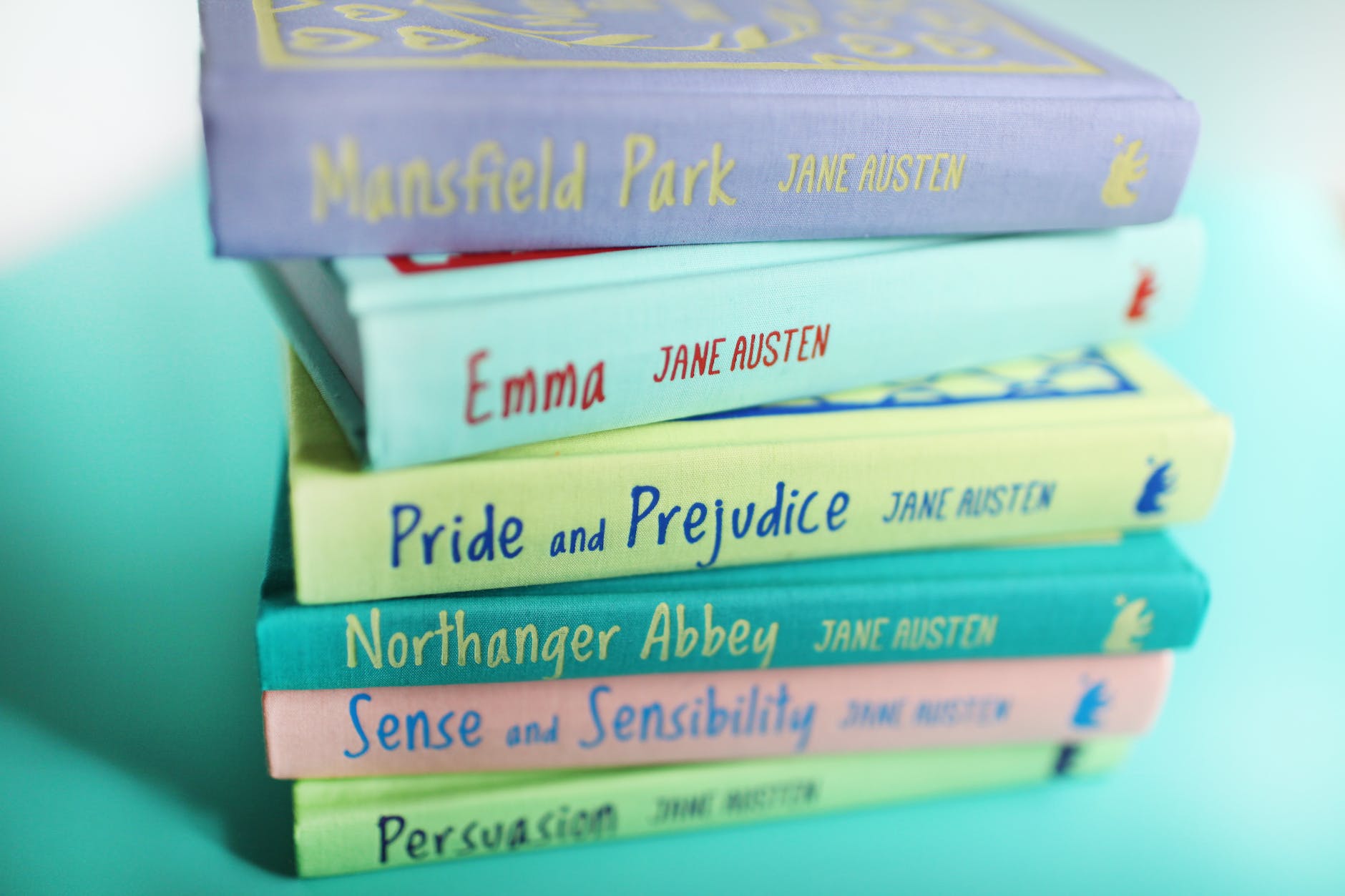
This phenomenon, Feder explains, starts out with a beloved classic. We’ve all heard of it and many other works have roots in it, and it all starts with “It is a truth universally acknowledged, that a single man in possession of a good fortune must be in want of a wife.”
Yes. I am talking about Pride and Prejudice.
The funny thing is that Pride and Prejudice actually does passes the Bechdel test. The Bennett sisters all have names and talk about many issues other than a man. Yes, true, they also talk about marriage, but this is 19th century England, folks. What else are they supposed to talk about according to societal norms?
The problem is that abominable, insufferable, indecisive mess of a male lead character, Mr. Fitzwilliam Darcy. He has gone down in history as the prototype for the emotionally unavailable man. He’s been copied left and right, has been adapted over and over. And worst of all, the character has been used to condition young ladies everywhere that that is what we must look for and accept for in a man.
Again, BS, if you ask me. What self-respecting, intelligent, independent woman could possibly be attracted to that? Apparently, a lot of women are.
But why? Why is this such an issue? Because, as Feder puts it, of the same reason we want something when it is unavailable. We want the one thing we can’t have. We have been conditioned since birth to do so. It is ingrained in our DNA. Since the beginning of time, our monkey brains keep searching for that one thing we are missing, that next little bit of dopamine. Only back then, when we couldn’t find it we made it.
We became inventors, and suddenly the sky opened up.
We went from cave-dwellers to space explorers, but the one thing we brought along with us were our stories.

Such is the nature of stories. Like plasticine in a child’s hand, you can mold them to be whatever you want them to be, use them however you want to use them. Stories are important. They have weight. Stories are a powerful mode of communication. They convey complex ideas, values, and information in a way that is easy to understand and remember. Through narrative, people can communicate messages effectively. Stories have the power to persuade and influence. They can evoke emotions, inspire action, and change perspectives.
Feder writes, “The stories we are brought up on are more than just stories. They become our personal mythologies.” And that is exactly why it is important that we choose well which stories do we put out there for our young women to read.
 Booked, For Life
Leave a comment